Hard evidence of 7th–9th century Christianity in China includes:
- Xi’an Stele
- Dunhuang’s “Jesus Sutras” (liturgy & hymns in Chinese)
- The 814 AD Luoyang stone pillar
- The Daqin Pagoda
- Tang imperial records
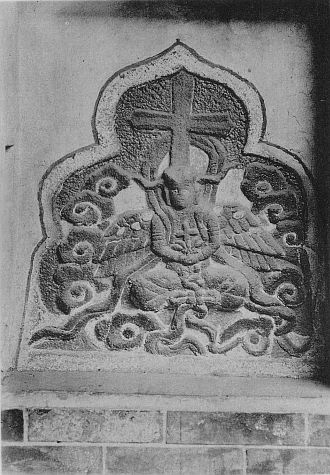
- Syriac-Chinese gravestones with lotus crosses
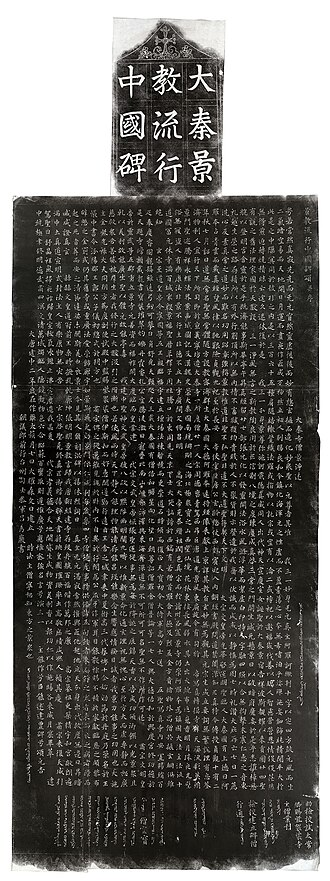
Xi’an Stele
Tang dynasty limestone monument erected in 781 CE that records the first 150 years of early Christianity in China.
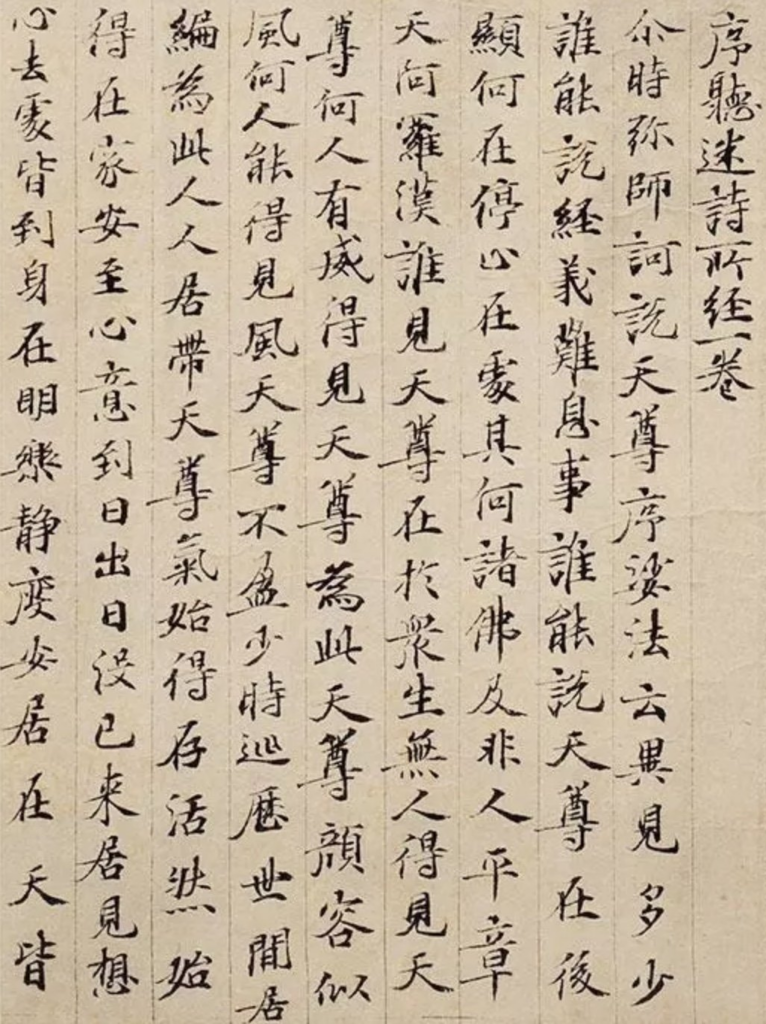
Dunhuang’s “Jesus Sutras” (liturgy & hymns in Chinese)
Discovered in a sealed Silk Road cave in 1900, these 7th–10th century scrolls contain Christian theology, liturgy, and a Chinese translation of the ancient hymn Gloria in Excelsis Deo.
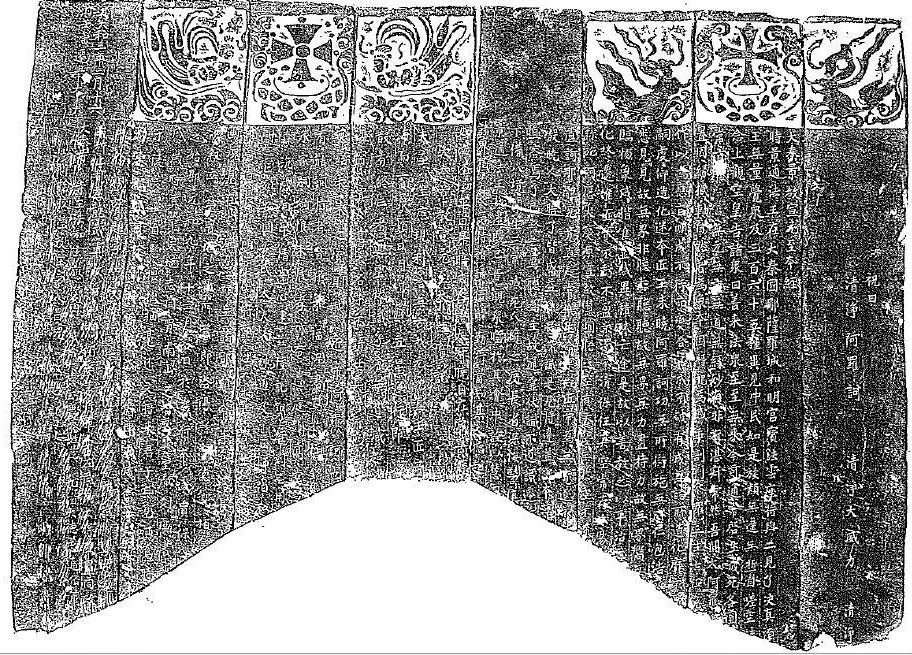
The 814 AD Luoyang stone pillar
Unearthed in 2006, this octagonal funerary pillar features Christian scripture alongside names of local clergy and lay donors—proving the faith took root among multi-generational Chinese families.
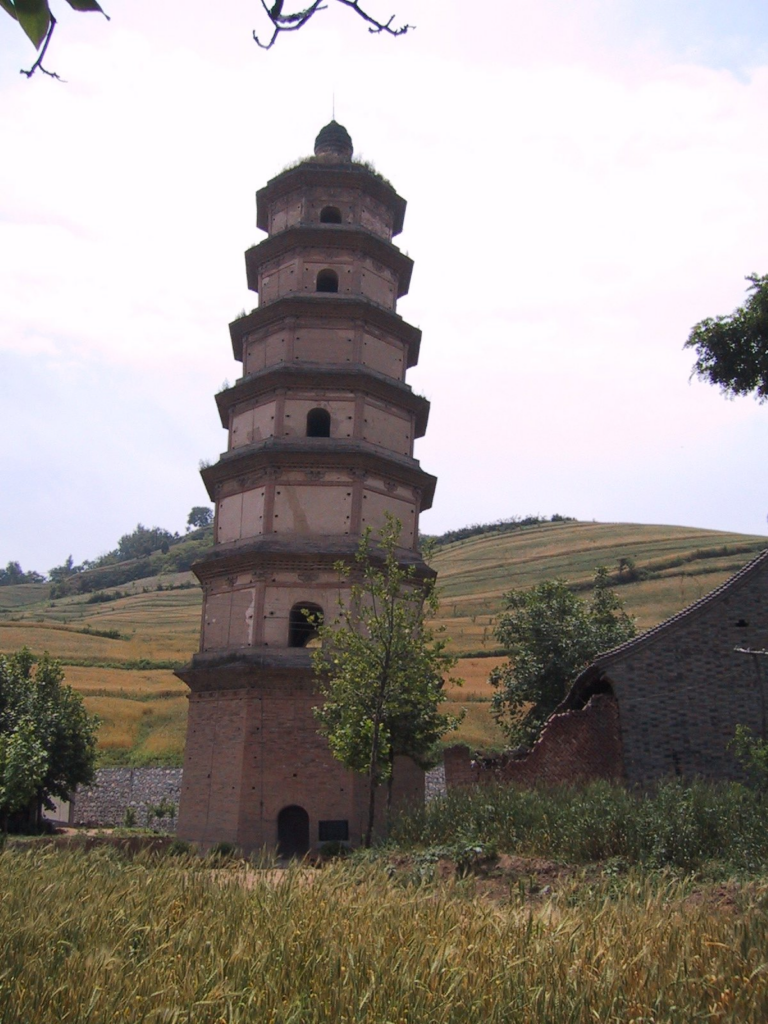
The Daqin Pagoda
Built around 650 AD near Xi’an, this surviving brick tower was once part of an early Church of the East monastery. Faded wall paintings (including a possible Nativity scene) and Syriac graffiti still remain inside.
Tang imperial records
Standard Chinese histories like the Tang Huiyao preserve Emperor Taizong’s 638 AD edict of toleration, as well as Emperor Wuzong’s 845 AD edict suppressing foreign religions that ended this era.
Syriac-Chinese gravestones with lotus crosses
Tombstones uncovered along the Silk Road frequently feature bilingual inscriptions and the iconic “lotus cross”—a Christian cross resting on a Buddhist-style lotus flower, blending Near Eastern faith with Chinese art.
Leave a Reply